Cash Wedding Registry Ideas: How to Ask for Money Instead of Gifts in 2026
By Emma Lange
|Published Jul 1, 2026|Modified Sep 3, 2026
10 min read
Quick Answer: Cash Wedding Registry Basics
Is it acceptable? Yes — 91% of couples say asking for cash gifts is “totally acceptable,” according to Zola’s 2026 First Look Report.
What to register for: honeymoon funds, home down payments, debt payoff, and smaller shared-experience funds like date nights.
How to ask: Name each fund specifically (“Date Night Fund,” not just “Cash Fund”) so guests know exactly what they’re contributing to.
Best structure: A hybrid registry — a few physical items plus 2–4 cash funds — works for most guest lists, including traditional relatives.
Where the trend is headed: 27% of couples now use cash registry funds to help cover wedding costs, up from 16% in 2025.
Fee-free option: Honeyfund lets couples receive cash gifts without registry fees eating into what guests give.
A cash wedding registry lets couples ask guests for money instead of, or alongside, traditional gifts — usually toward a honeymoon, a home, or another shared goal. Ninety-one percent of couples now consider it totally acceptable, and most couples add at least one cash fund to their registry.
What Can You Register for With a Cash Wedding Registry?
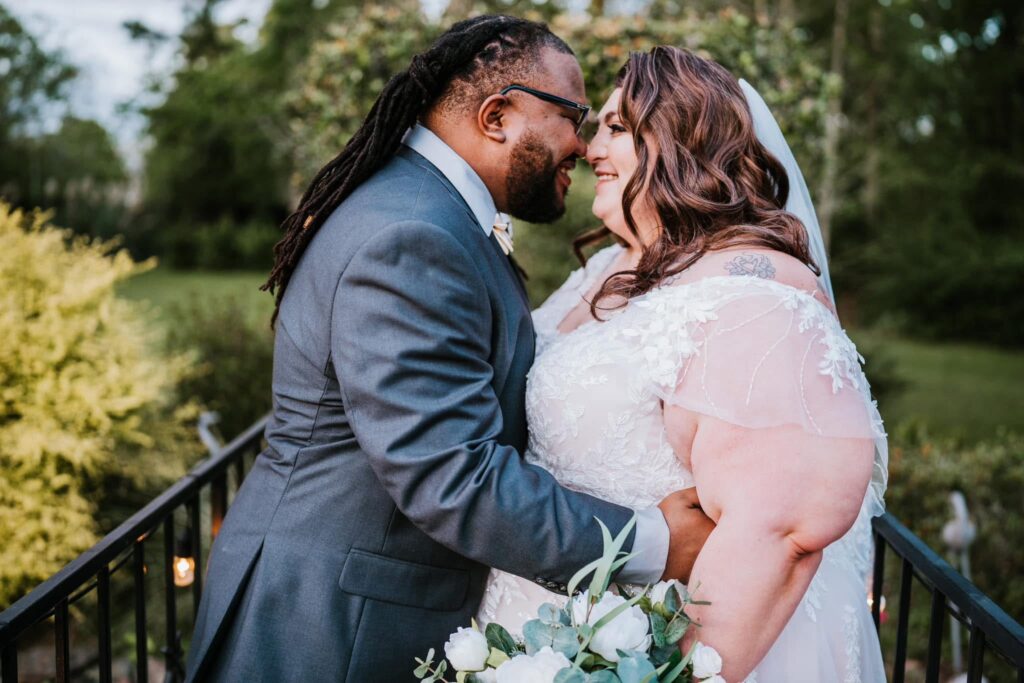
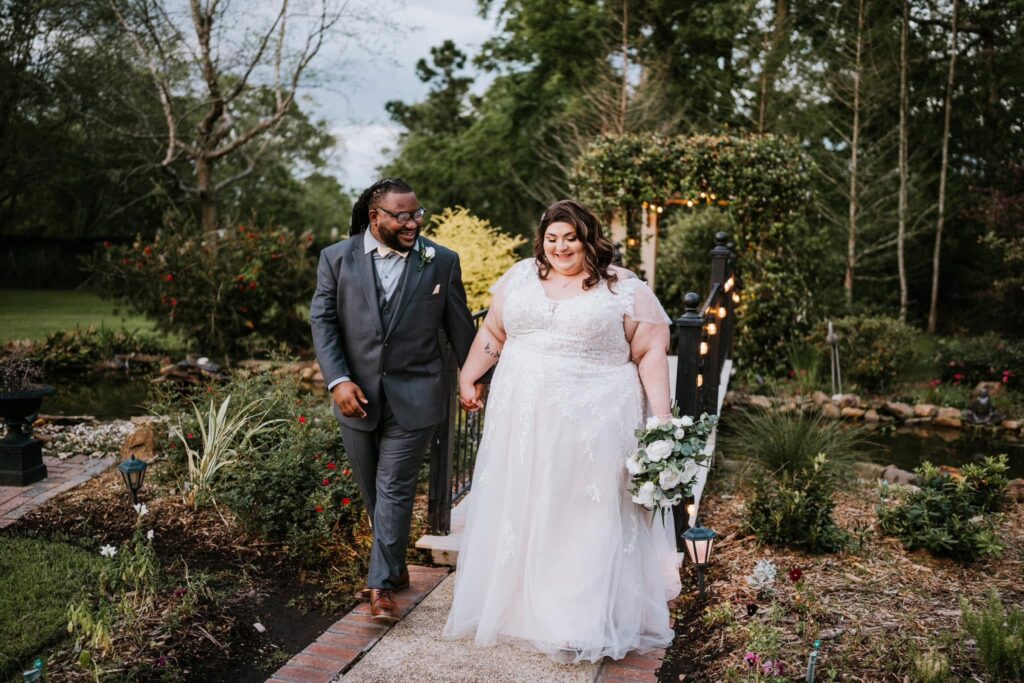
A cash wedding registry can fund almost any shared goal: a honeymoon, a home down payment, paying off debt before the wedding, or smaller recurring goals like date nights during the first year of marriage. Aby and Terrance Raymond of Pensacola, Florida, took the last approach — instead of registering for a honeymoon or physical gifts, they used their Honeyfund cash registry to fund date nights throughout their first year of marriage.
“We did a unique spin with Honeyfund — we used it for date nights during our first year of marriage. People could buy us experiences, like a date night at an arcade and dinner in Gainesville. It was a really cool experience,” said Aby and Terrance.
How Do Real Couples Use Their Cash Registry Funds?
Couples who already live together most often use cash registry funds for experiences and upgrades rather than starter household items, since they typically already have the basics covered. Aby and Terrance had exactly that situation — a furnished apartment with no room, or need, for more physical gifts.
“We didn’t have a lot of space in our apartment for more things, and we already had what we needed. We thought it would be more meaningful to have date-night experiences during our first year of marriage, and to have friends and family be part of that,” said Aby and Terrance.
What Did Aby and Terrance Actually Register For?
Instead of one lump-sum honeymoon or cash fund, Aby and Terrance broke their Honeyfund registry into dozens of small, named date-night experiences — most priced between $20 and $100 — so guests could fund an entire night out rather than a vague dollar amount.
Registry Item
What It Funded
Price
Date Night In — Cooking Together
A new recipe made together at home.
$20
Date Night for 2 — Bowling
A night at a local bowling alley.
$25
Date Night — Ice Cream Date for Two
A sweet treat at a local ice cream shop.
$25
Date Night — Salsa Class for Two
A salsa or bachata dance workshop.
$30
Date Night — Picnic for 2 at the Park
A packed picnic — subs, chips, and sparkling cider.
$40
Date Night for 2 — Arcade Night
A “free play” night out at a local arcade.
$50
Day Date Experience — VR Escape Room
An hour-long virtual reality escape room adventure.
$70
Date Night — Wine Tasting Cruise
A guided wine tasting and tour aboard a local cruise.
$100
Weekend Getaway Fund
A weekend away for the couple post-wedding.
$100
Road Trip Travel Fund
Gas, rideshares, or travel costs to get to any date night on the list.
$50
The specifics were local to Aby and Terrance’s own city, but the format travels anywhere. A few easy swaps for couples building their own date-night fund:
Cooking class or cook-at-home date — $20–$60
Bowling, mini golf, or arcade night — $25–$50
Dance class (salsa, swing, ballroom) — $30–$50
Picnic date at a local park — $30–$40
Escape room or VR experience — $50–$80
Wine, beer, or coffee tasting tour — $60–$100
Weekend getaway fund — $100+
Road trip / travel fund to get to any of the above — any amount
Need inspiration for your own date-night fund? Browse ready-to-register experiences across cooking, wine tasting, dance, and more:
Couples Cooking Classes — Viator
Pasta in Rome, Thai in Chiang Mai, sushi in Tokyo & local classes near home · Book ahead or on the fly
How Should You Ask Guests for Cash Wedding Gifts Without It Feeling Awkward?
The most effective way to ask for cash without it feeling awkward is to name the fund specifically instead of labeling it a generic “Cash Fund,” since a named fund gives guests something concrete to picture and feel connected to.
“Registry trends are shifting to match the reality of modern life,” said Samantha Kobrin, Director of Brand at Zola. “Since many couples already live together, they typically have the basics covered. Now, they’re opting for a blended strategy: upgrading to investment pieces for the home while including cash funds for travel and future financial milestones.”
A hybrid registry — a handful of physical items alongside two to four named cash funds — tends to work best, since it gives guests who prefer to give a wrapped gift an option while still making the cash funds easy to find and contribute to.
What Makes a Cash Registry Better Than a Traditional Gift List for Some Couples?
A cash registry works better than a traditional gift list for couples who already have a fully stocked home, since it turns wedding gifts into ongoing experiences and financial breathing room instead of duplicate kitchen items.
“Honeyfund is a really cool way for your friends and family to be involved in your honeymoon, or whatever’s going on in your life after getting married. Weddings are expensive, and friends and family love being part of the experience. I think it’s more meaningful than a blender or kitchen items — you can use the funds for what you actually need,” said Aby and Terrance.
Frequently Asked Questions
Is it rude to only register for cash at your wedding?
It’s increasingly common and widely accepted, but not risk-free. Some guests, especially older or more traditional relatives, may still prefer to give a wrapped gift. Adding 5–10 physical items alongside your cash funds covers both preferences.
How much should you ask for in a cash wedding fund?
There’s no fixed amount — most registries let guests contribute any amount toward a fund, from $20 to several hundred dollars. Breaking a large goal into smaller, specific items (like a $150 dinner instead of a $3,000 lump sum) makes it easier for more guests to participate.
What is the best way to word a cash registry request?
Name the fund around a specific outcome instead of using the word “cash.” For example, “Help us keep date night alive in year one” invites a contribution more naturally than “Cash Fund.”
Can you combine a cash registry with a traditional gift registry?
Yes. Most couples now run a hybrid registry that mixes a small number of physical items with several named cash funds, which is the most guest-friendly approach according to Zola’s 2026 First Look Report.
Does Honeyfund charge fees for cash wedding gifts?
Honeyfund offers truly fee-free redemption through the Honeyfund Prepaid Mastercard, which also earns 5% cash back at select retailers. Couples who prefer PayPal or Venmo pay a 2.2% delivery fee, the lowest rate in the category, and guests are never charged to give.
What’s a creative use for a cash wedding fund besides a honeymoon?
Couples are using cash registries for home down payments, debt payoff, and recurring goals like a first-year date-night fund, the way Aby and Terrance did, rather than a single trip or purchase.
What are good date-night fund ideas for a wedding registry?
Popular date-night registry items include a cooking class ($20–$60), bowling or arcade night ($25–$50), a dance class ($30–$50), a wine or beer tasting tour ($60–$100), and a weekend getaway fund ($100+). Naming each item specifically, the way Aby and Terrance did, tends to draw more contributions than a single generic fund.
The Bottom Line: Should Your Registry Include a Cash Fund?
Asking for cash is no longer the exception — it’s the expectation for a majority of couples, with 91% calling it totally acceptable and 87% adding at least one cash fund to their registry. The couples who get the most out of it, like Aby and Terrance, are the ones who name their funds around something specific: a date night, a down payment, a honeymoon dinner, rather than a generic ask.
Ready to build a registry guests actually understand? Create your free Honeyfund today and start naming your funds around what matters most to you.
Some links in this post are affiliate links, which means Honeyfund may earn a small commission if you click through and make a purchase, at no extra cost to you.
Make your dream honeymoon a reality.
Sign up for Honeyfund today and start receiving cash gifts for your wedding and honeymoon.